Surviving Black Hawk Down: A Comprehensive Look At The Battle And Its Impact - Delta Force operators played a crucial role in the rescue efforts, using their specialized training to navigate the dangerous streets of Mogadishu. Their expertise in close-quarters combat and urban warfare was instrumental in securing the rescue of the stranded soldiers. The phrase "Black Hawk Down" has become synonymous with the courage and resilience of soldiers in the face of overwhelming odds. This article delves into the events that unfolded during the battle, the strategies employed by both sides, and the aftermath of the conflict. We will explore how soldiers survived the battle and the lessons that continue to influence military operations today.
Delta Force operators played a crucial role in the rescue efforts, using their specialized training to navigate the dangerous streets of Mogadishu. Their expertise in close-quarters combat and urban warfare was instrumental in securing the rescue of the stranded soldiers.
The psychological impact of surviving Black Hawk Down cannot be overstated. Many soldiers who participated in the battle experienced post-traumatic stress disorder (PTSD) and other mental health issues as a result of the trauma they endured. The intense combat situation and the loss of comrades left lasting emotional scars on the survivors.
Surviving Black Hawk Down meant enduring relentless attacks from Somali militiamen and civilians, who were armed with a variety of weapons. The U.S. forces faced overwhelming odds, with enemy fighters vastly outnumbering them. Despite the challenges, the soldiers demonstrated remarkable resilience and teamwork, ultimately securing the rescue of the stranded personnel.
Surviving Black Hawk Down required soldiers to employ a variety of survival strategies, including:
Understanding the historical significance of the Black Hawk Down incident provides valuable insights into the evolution of military strategy and the ongoing quest for improved survival techniques.
These lessons have been incorporated into military training programs, ensuring that future operations are better prepared for the challenges of modern warfare.

The success of surviving the Black Hawk Down incident can be attributed to the bravery and leadership of several key individuals. Among them were:
The terrain of Mogadishu, with its narrow streets and densely populated areas, posed significant challenges for U.S. forces. The lack of intelligence about the enemy's capabilities and the underestimation of the local population's hostility contributed to the mission's difficulties. Understanding the background of the incident is crucial to appreciating the challenges faced by those who survived.
Surviving Black Hawk Down was not just about physical survival; it was also about learning from the experience and improving future operations. The lessons learned from the battle continue to influence military training and strategy today.
We encourage readers to share their thoughts and insights in the comments section below. Additionally, we invite you to explore other articles on our site that delve into the fascinating world of military history and survival strategies. Together, we can continue to learn from the past and prepare for the future.
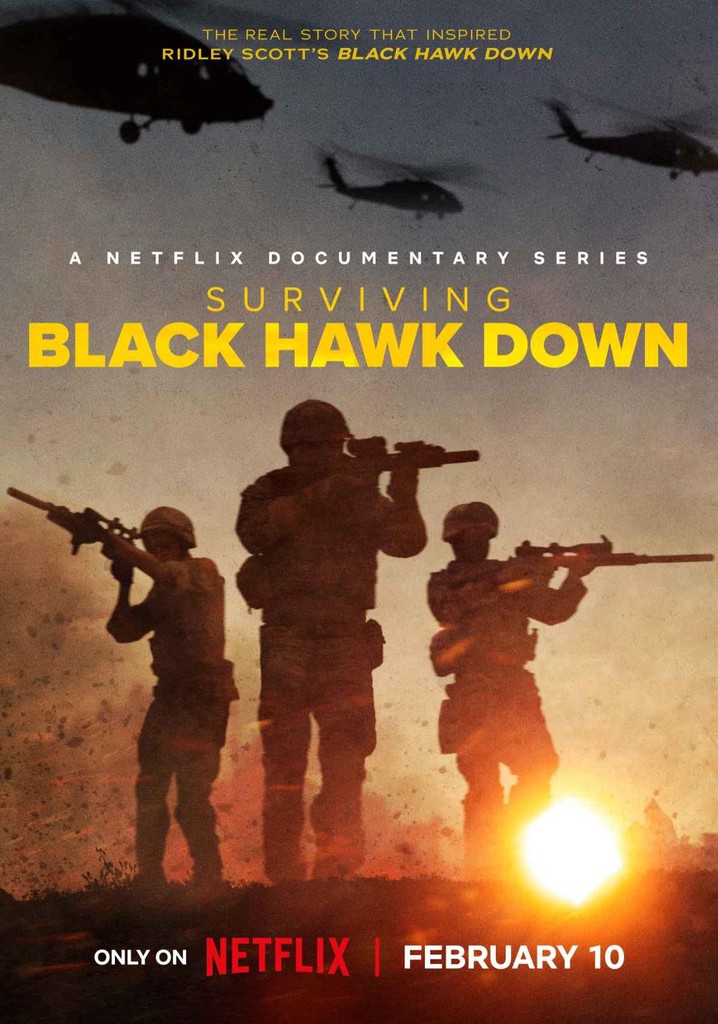
The story of surviving Black Hawk Down is one of courage, resilience, and adaptability in the face of overwhelming odds. The lessons learned from the incident continue to influence military operations and training today. By examining the events of the battle and the strategies employed by the soldiers, we gain a deeper understanding of the complexities of modern warfare.
On October 3, 1993, the world witnessed one of the most intense urban combat operations in modern military history when U.S. forces engaged in a fierce battle in Mogadishu, Somalia. The event, infamously known as "Black Hawk Down," was a turning point in military strategy and highlighted the challenges of modern warfare. Surviving Black Hawk Down is not just a story of physical survival but also an exploration of the psychological and strategic lessons learned from the operation.